Your What causes bone cancer in dogs images are available in this site. What causes bone cancer in dogs are a topic that is being searched for and liked by netizens today. You can Find and Download the What causes bone cancer in dogs files here. Get all free photos.
If you’re searching for what causes bone cancer in dogs pictures information connected with to the what causes bone cancer in dogs topic, you have pay a visit to the ideal site. Our site frequently gives you hints for seeking the maximum quality video and picture content, please kindly surf and find more enlightening video articles and graphics that fit your interests.
What Causes Bone Cancer In Dogs. Because this type of bone cancer is rapidly spread across the body prompt diagnosis and treatment are crucial to ensure optimal results. Signs symptoms of bone cancer in dogs by Stevie Donald in Family Bone cancer is a highly malignant cancer and most common in older large- and giant-breed dogs. Osteosarcomas are highly aggressive tumors characterized by painful bone destruction where the tumor grows. Dogs that have undergone surgery or have some form of implant are more prone Family lines of cancer sufferers have been observed Bone cancers tend to form around areas where new bone is being produced.
 Bone Cancer Osteosarcoma In Dogs Canna Pet From canna-pet.com
Bone cancer in dogs also known as osteosarcoma is a condition that results in an abnormal malignant growth of immature bone cells. Bone cancer is often fatal in dogs though surgical removal of affected bone is sometimes possible and can save dogs lives. Bone cancer is a common cancer in dogs especially in large and giant breeds. Jaw bone cancer in dogs causes symptoms that are often confused with other conditions that can cause similar signs and therefore jaw bone cancer is often. Causes Current knowledge of the disease has not linked genetics or gender to the condition but bone cancer does appear more often in large to giant breeds of dogs. The development of tumors on other parts of the dogs body may trigger an abnormal hormonal surge causing the abnormal bone cell growth.
Bone Cancer in Dogs Bone cancers can originate from cells that normally reside in the bone space primary cancer or as a metastatic disease which has spread from cancers elsewhere in your pets body.
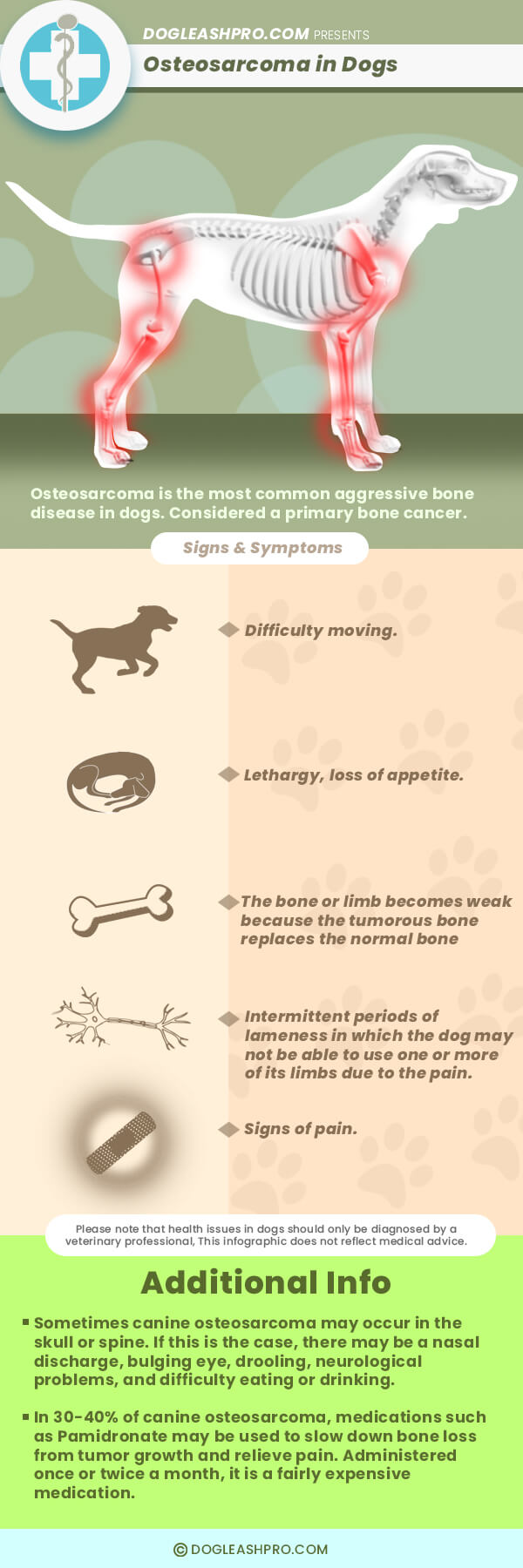
Metal implants to fix bone fractures and sterilization also increase the risk of dog osteosarcoma. Symptoms of bone cancer are pain swelling and sometimes bone breakage. Causes of Bone Cancer in Dogs To the current knowledge of geneticists gender or genetics dont have a proven link to most bone cancers in dogs including Osteosarcoma. The exact cause is still unknown as it is multifactorial but after observing the increased prevalence in giant dog breeds it can be deduced that it is associated with the genes that interfere with the growth of tumor cells. Bone cancer is often fatal in dogs though surgical removal of affected bone is sometimes possible and can save dogs lives. What Causes Bone Cancer in Dogs.
 Source: vcahospitals.com
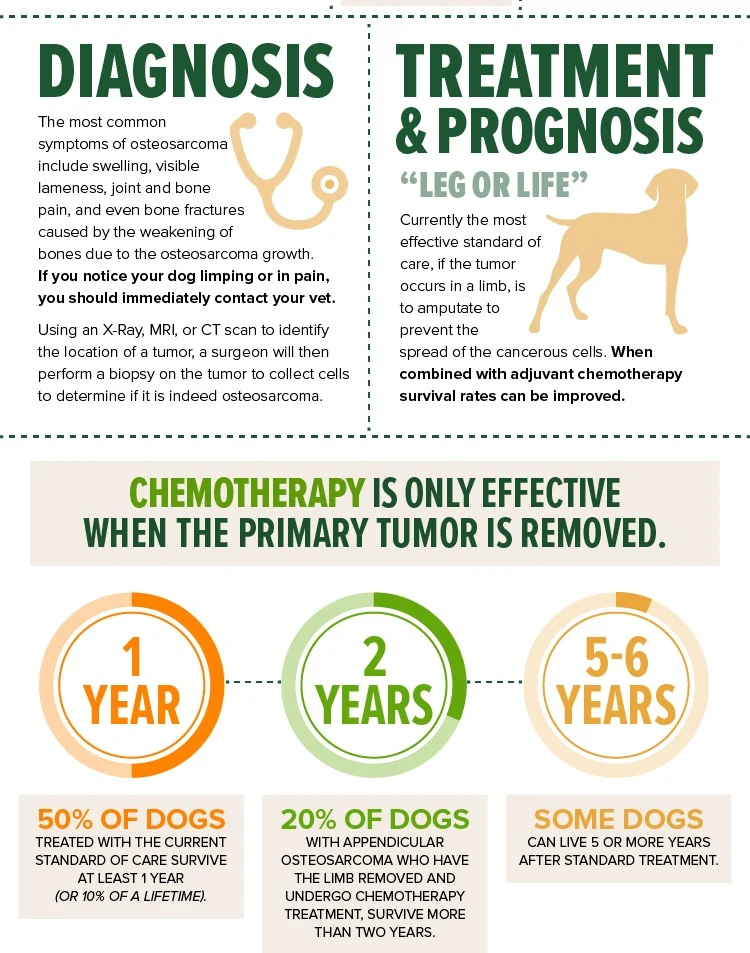
Causes of Bone Cancer in Dogs To the current knowledge of geneticists gender or genetics dont have a proven link to most bone cancers in dogs including Osteosarcoma. Approximately 85 percent of canine bone tumors are osteosarcomas osteo bone sarcoma cancer. The conventional treatment of choice for canine bone cancer that occurs in the limbs is surgery amputation of the affected limb. The development of tumors on other parts of the dogs body may trigger an abnormal hormonal surge causing the abnormal bone cell growth. Osteosarcomas can be primary that is when the tumor or cancer originates in the bone and it can be secondary as well when there is metastasizing of cancer into the bone from.
 Source: drronsanimalhospitalsimivalley.com
The exact cause is still unknown as it is multifactorial but after observing the increased prevalence in giant dog breeds it can be deduced that it is associated with the genes that interfere with the growth of tumor cells. Because this type of bone cancer is rapidly spread across the body prompt diagnosis and treatment are crucial to ensure optimal results. If you see the signs of bone cancer in your dog consult your veterinarian right away so they can give a proper diagnosis and recommend treatment options. The precise cause of chondrosarcoma is unknownDevelopment of tumors may be accompanied by abnormal hormone stimulation and bone cell growthBody size and genetic factors may play a role but not enough is known about these factors to identify a cause. The formation of cancer cells varies due to environmental factors breed of dogs size of the dogs age of the dogs and health status.
 Source: dogleashpro.com
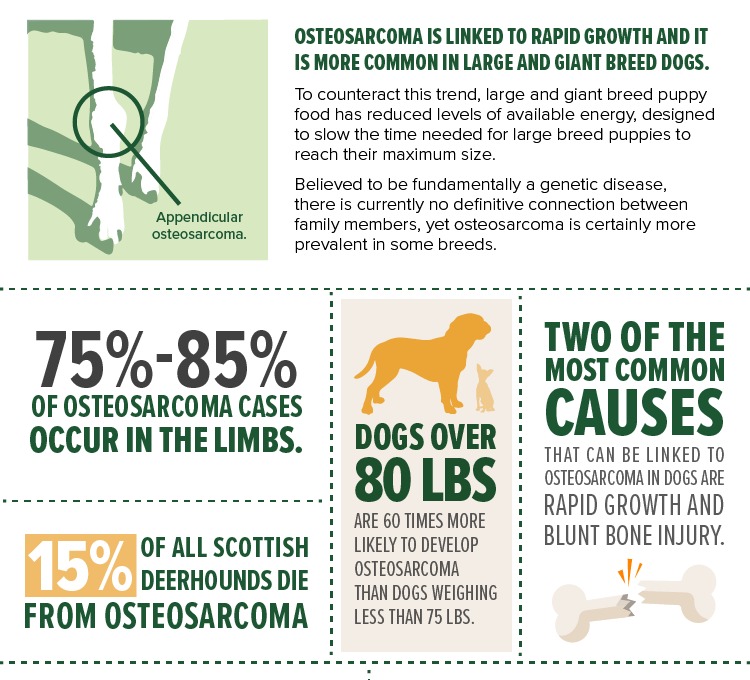
Signs symptoms of bone cancer in dogs by Stevie Donald in Family Bone cancer is a highly malignant cancer and most common in older large- and giant-breed dogs. Unfortunately bone cancer is a relatively common type of cancer found in dogs and roughly 10000 dogs are diagnosed with this cancer each year. If detected early enough life-saving surgery to amputate the malignant limb may be. Risk factors of bone cancer in dogs include rapid growth which is why larger breeds commercial puppy food is less energy-dense to extend the time to full growth. Bone Cancer in Dogs Bone cancers can originate from cells that normally reside in the bone space primary cancer or as a metastatic disease which has spread from cancers elsewhere in your pets body.
Source: canna-pet.com
Causes Current knowledge of the disease has not linked genetics or gender to the condition but bone cancer does appear more often in large to giant breeds of dogs. Unfortunately bone cancer is a relatively common type of cancer found in dogs and roughly 10000 dogs are diagnosed with this cancer each year. Metal implants to fix bone fractures and sterilization also increase the risk of dog osteosarcoma. Its an extremely deadly and aggressive form of cancer that can easily metastasize meaning it can spread to other parts of the body especially the lungs. Although there are multiple types of bone cancers that affect dogs such as chondrosarcoma found in the connective tissue and cartilage and fibrosarcoma found in the fibroblasts of the connective tissue osteosarcoma is the most.
 Source: mybrownnewfies.com
Unfortunately bone cancer is a relatively common type of cancer found in dogs and roughly 10000 dogs are diagnosed with this cancer each year. Bone cancer is a common cancer in dogs especially in large and giant breeds. Osteosarcomas are highly aggressive tumors characterized by painful bone destruction where the tumor grows. Because this type of bone cancer is rapidly spread across the body prompt diagnosis and treatment are crucial to ensure optimal results. Bone Cancer in Dogs Bone cancers can originate from cells that normally reside in the bone space primary cancer or as a metastatic disease which has spread from cancers elsewhere in your pets body.
 Source: mybrownnewfies.com
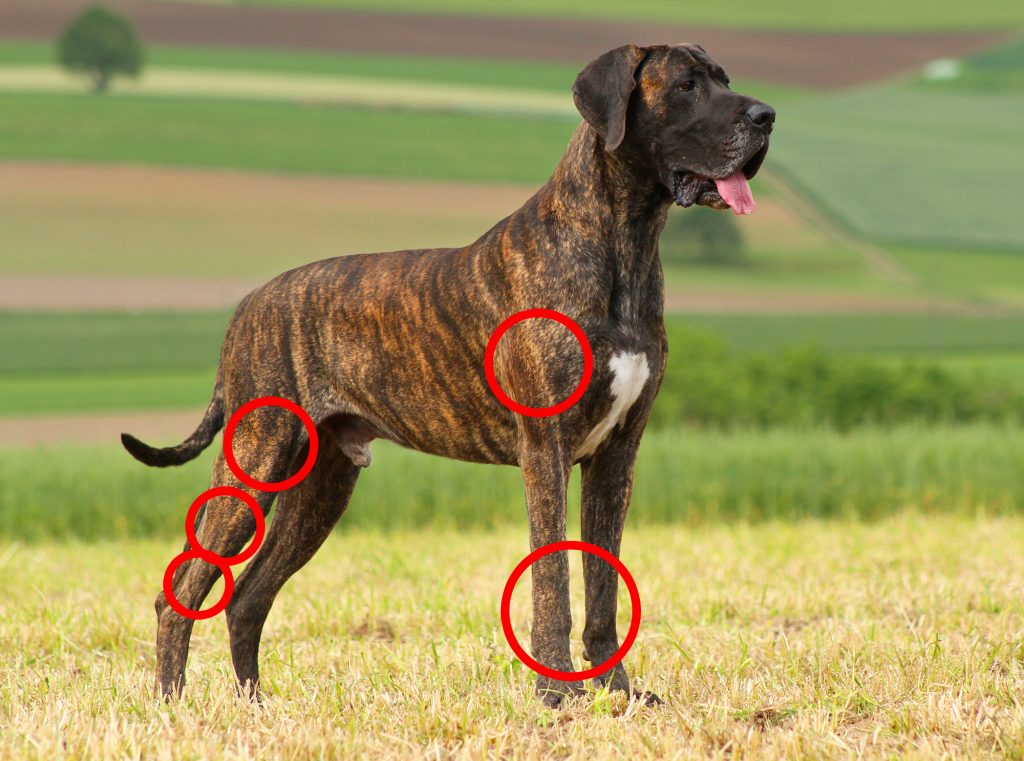
It mostly affects the limbs appendicular skeleton but it can also develop in the skull spine and the ribs axial skeleton. Bone cancer is a common cancer in dogs especially in large and giant breeds. Unfortunately bone cancer is a relatively common type of cancer found in dogs and roughly 10000 dogs are diagnosed with this cancer each year. The formation of cancer cells varies due to environmental factors breed of dogs size of the dogs age of the dogs and health status. OSA is a malignant tumour of bone and it is the most common bone tumour found in dogs.
 Source: memphisveterinaryspecialists.com
Osteosarcoma accounts for 85 of all primary malignant bone tumors of dogs and tends to affect the limbs more commonly than the spine or skull. What dog breeds are prone to cancer. Causes of Bone Cancer in Dogs The exact causes of tumor or cancer formation in the bone cells of dogs is unknown. The symptoms of bone cancer in Rottweilers can be subtle and they include. The precise cause of chondrosarcoma is unknownDevelopment of tumors may be accompanied by abnormal hormone stimulation and bone cell growthBody size and genetic factors may play a role but not enough is known about these factors to identify a cause.
 Source: mybrownnewfies.com
Unfortunately bone cancer is a relatively common type of cancer found in dogs and roughly 10000 dogs are diagnosed with this cancer each year. Dogs that have undergone surgery or have some form of implant are more prone Family lines of cancer sufferers have been observed Bone cancers tend to form around areas where new bone is being produced. Osteosarcoma accounts for 85 of all primary malignant bone tumors of dogs and tends to affect the limbs more commonly than the spine or skull. If you see the signs of bone cancer in your dog consult your veterinarian right away so they can give a proper diagnosis and recommend treatment options. Its an extremely deadly and aggressive form of cancer that can easily metastasize meaning it can spread to other parts of the body especially the lungs.
 Source: gesunde-dogge.de
Its an extremely deadly and aggressive form of cancer that can easily metastasize meaning it can spread to other parts of the body especially the lungs. If you see the signs of bone cancer in your dog consult your veterinarian right away so they can give a proper diagnosis and recommend treatment options. Osteosarcoma is the most common type of primary bone cancer seen in dogs accounting for approximately 95 of bone tumors. Causes Current knowledge of the disease has not linked genetics or gender to the condition but bone cancer does appear more often in large to giant breeds of dogs. Causes of Bone Cancer in Dogs The exact causes of tumor or cancer formation in the bone cells of dogs is unknown.
 Source: petmd.com
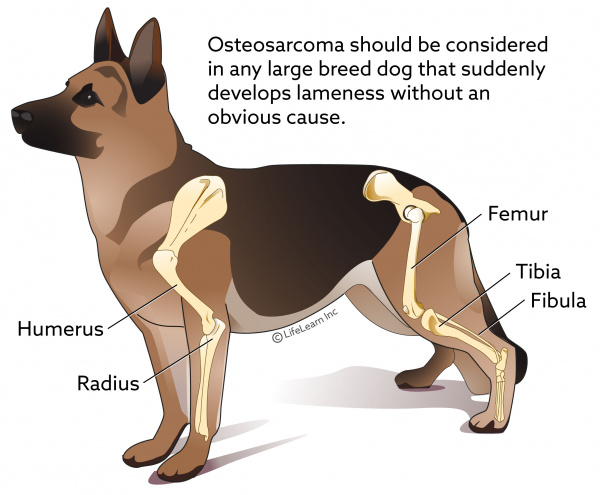
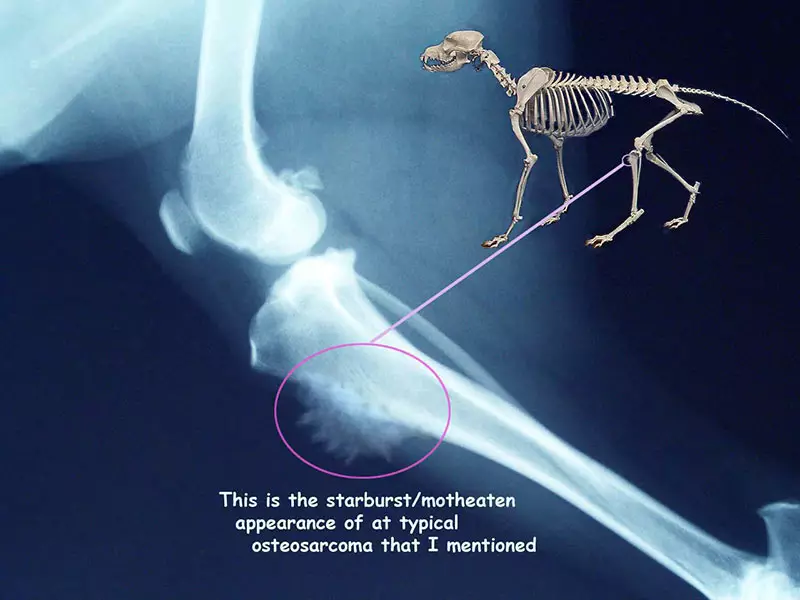
There are many internal or external causes are involved in initiating the growth of cancer cells. Metal implants to fix bone fractures and sterilization also increase the risk of dog osteosarcoma. The tumour occurs more often in the front legs commonly affecting the bottom of the radius wrist joint or the top of the humerus. The exact cause is still unknown as it is multifactorial but after observing the increased prevalence in giant dog breeds it can be deduced that it is associated with the genes that interfere with the growth of tumor cells. The causes for bone cancer are not yet well understood but it is fairly easy to diagnose.
 Source: dailypaws.com
Bone cancer is often fatal in dogs though surgical removal of affected bone is sometimes possible and can save dogs lives. Approximately 85 percent of canine bone tumors are osteosarcomas osteo bone sarcoma cancer. What Causes Bone Cancer in Dogs. The symptoms of bone cancer in Rottweilers can be subtle and they include. If you see the signs of bone cancer in your dog consult your veterinarian right away so they can give a proper diagnosis and recommend treatment options.
 Source: dogtime.com
Dogs that have undergone surgery or have some form of implant are more prone Family lines of cancer sufferers have been observed Bone cancers tend to form around areas where new bone is being produced. Dogs that have undergone surgery or have some form of implant are more prone Family lines of cancer sufferers have been observed Bone cancers tend to form around areas where new bone is being produced. Causes of Bone Cancer in Dogs The exact causes of tumor or cancer formation in the bone cells of dogs is unknown. The formation of cancer cells varies due to environmental factors breed of dogs size of the dogs age of the dogs and health status. Osteosarcoma is the most common type of primary bone cancer seen in dogs accounting for approximately 95 of bone tumors.
 Source: bowwowinsurance.com.au
Osteosarcomas are highly aggressive tumors characterized by painful bone destruction where the tumor grows. Symptoms of bone cancer are pain swelling and sometimes bone breakage. If you see the signs of bone cancer in your dog consult your veterinarian right away so they can give a proper diagnosis and recommend treatment options. Causes of Bone Cancer in Dogs The exact causes of tumor or cancer formation in the bone cells of dogs is unknown. That leads some veterinarian researchers to speculate that during the regrowth of bone a genetic malfunction sometimes causes a cancer to develop.
 Source: canna-pet.com
Unfortunately bone cancer is a relatively common type of cancer found in dogs and roughly 10000 dogs are diagnosed with this cancer each year. What dog breeds are prone to cancer. Causes of Bone Cancer in Dogs. Bone cancer in dogs also known as canine osteosarcoma is a cancer mostly known for affecting the bones in a dogs legs but upper and lower jaw bone cancer in dogs may occasionally show up. Unfortunately bone cancer is a relatively common type of cancer found in dogs and roughly 10000 dogs are diagnosed with this cancer each year.
 Source: wearethecure.org
If it were a very active dog you would realize it. Approximately 85 percent of canine bone tumors are osteosarcomas osteo bone sarcoma cancer. Loss of appetite and lethargy you may notice your dog does want to do anything except lie down. Although there are multiple types of bone cancers that affect dogs such as chondrosarcoma found in the connective tissue and cartilage and fibrosarcoma found in the fibroblasts of the connective tissue osteosarcoma is the most. Osteosarcoma is the most common type of primary bone cancer seen in dogs accounting for approximately 95 of bone tumors.
 Source: animalhospitalofclemmons.com
If detected early enough life-saving surgery to amputate the malignant limb may be. The development of tumors on other parts of the dogs body may trigger an abnormal hormonal surge causing the abnormal bone cell growth. Conventional Treatment of Bone Cancer in Dogs. Causes Current knowledge of the disease has not linked genetics or gender to the condition but bone cancer does appear more often in large to giant breeds of dogs. Symptoms of bone cancer are pain swelling and sometimes bone breakage.
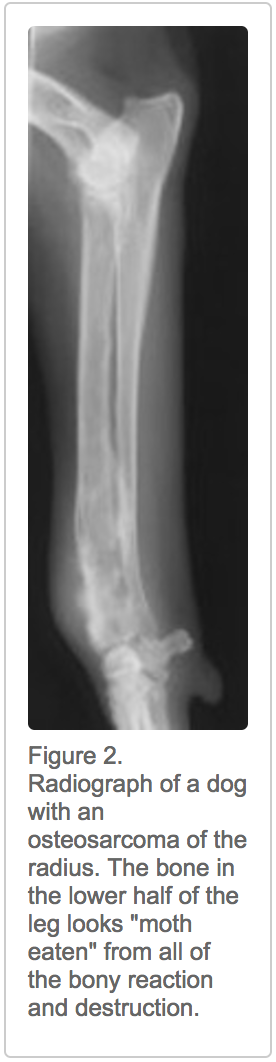 Source: petcureoncology.com
Osteosarcomas can be primary that is when the tumor or cancer originates in the bone and it can be secondary as well when there is metastasizing of cancer into the bone from. Osteosarcoma is a malignancy that causes immature bone cells to develop malignant and abnormal. There are many internal or external causes are involved in initiating the growth of cancer cells. Bone cancer in dogs also known as osteosarcoma is a condition that results in an abnormal malignant growth of immature bone cells. The conventional treatment of choice for canine bone cancer that occurs in the limbs is surgery amputation of the affected limb.
 Source: canna-pet.com
Bone cancer in dogs also known as canine osteosarcoma is a cancer mostly known for affecting the bones in a dogs legs but upper and lower jaw bone cancer in dogs may occasionally show up. OSA is a malignant tumour of bone and it is the most common bone tumour found in dogs. The exact cause is still unknown as it is multifactorial but after observing the increased prevalence in giant dog breeds it can be deduced that it is associated with the genes that interfere with the growth of tumor cells. Causes of Bone Cancer in Dogs. The formation of cancer cells varies due to environmental factors breed of dogs size of the dogs age of the dogs and health status.
This site is an open community for users to do submittion their favorite wallpapers on the internet, all images or pictures in this website are for personal wallpaper use only, it is stricly prohibited to use this wallpaper for commercial purposes, if you are the author and find this image is shared without your permission, please kindly raise a DMCA report to Us.
If you find this site beneficial, please support us by sharing this posts to your own social media accounts like Facebook, Instagram and so on or you can also bookmark this blog page with the title what causes bone cancer in dogs by using Ctrl + D for devices a laptop with a Windows operating system or Command + D for laptops with an Apple operating system. If you use a smartphone, you can also use the drawer menu of the browser you are using. Whether it’s a Windows, Mac, iOS or Android operating system, you will still be able to bookmark this website.


