Your Vestibular ataxia in dogs images are available in this site. Vestibular ataxia in dogs are a topic that is being searched for and liked by netizens now. You can Find and Download the Vestibular ataxia in dogs files here. Download all free photos.
If you’re searching for vestibular ataxia in dogs images information related to the vestibular ataxia in dogs keyword, you have come to the right blog. Our site frequently provides you with suggestions for seeking the maximum quality video and picture content, please kindly surf and find more enlightening video articles and graphics that match your interests.
Vestibular Ataxia In Dogs. You need to be sure that your dog does have idiopathic vestibular disease or old dog vestibular disease. There are three clinical types of. Loss of Balance Unbalanced Gait in Dogs Ataxia Vestibular Disease in Dogs Ataxia is a condition relating to a sensory dysfunction that produces loss of coordination of the limbs head andor trunk. Drunken gait Abnormal posture eg.
 Ataxia In Dogs Great Pet Care From greatpetcare.com
Seizures breathing difficulties postural or head cocking issues circulated walking gyrations or exaggerated movements hypermetry involuntary eye movement nystagmus blindness bleeding open or closed fractures unconsciousness. It is also referred to as old dog vestibular syndrome and canine idiopathic vestibular syndrome. Causes of Ataxia in Dogs Ataxia does not occur by itself and it is always a symptom of an underlying injury or illness. Vestibular ataxia refers to an issue in the inner ear that affects the canines perception of their body position and movement. As an extreme it could be a brain tumor so you definitely want to make sure that youre treating your dog for the right thing. Vestibular syndrome Vestibular syndrome is caused by problems in the inner ear and brain.
There are a number of other conditions that can cause very similar symptoms.
Because of the location of the problem you may also see changes in your pups head and neck movements. Signs of ataxia in dogs will vary according to the cause but may include. Sensory vestibular and cerebellar. Damage to the vestibular system can result in some but not necessarily all of the following clinical signs. The vestibular system fulfills the function of orienting dogs in terms of space and gravity. There are several studies investigating how to differentiate between peripheral and central vestibular disease but only limited information regarding the possible underlying causes for peripheral vestibular dysfunction in dogs.
 Source: toegrips.com
The vestibular system fulfills the function of orienting dogs in terms of space and gravity. Your dog may also need other medications. Vestibular ataxia refers to an issue in the inner ear that affects the canines perception of their body position and movement. To the untrained eye the symptoms may mimic serious life threatening conditions such as stroke or a brain tumor. Dogs suffering from this condition may have a head tilt and feel dizzy.
 Source: sevneurology.com
These are some of the symptoms related to ataxia in dogs. They can include. It is more common in older dogs. Signs of neurologic dysfunction in dogs with central versus peripheral disease JAVMA. Having to do with a dogs ability to balance the vestibular syndrome is a result of an inner ear issue or brain problem causing a dog to be dizzy and have a difficult time walking.
 Source: pinterest.com
Signs of ataxia in dogs will vary according to the cause but may include. As an extreme it could be a brain tumor so you definitely want to make sure that youre treating your dog for the right thing. There are several studies investigating how to differentiate between peripheral and central vestibular disease but only limited information regarding the possible underlying causes for peripheral vestibular dysfunction in dogs. These are some of the symptoms related to ataxia in dogs. Loss of Balance Unbalanced Gait in Dogs Ataxia Vestibular Disease in Dogs Ataxia is a condition relating to a sensory dysfunction that produces loss of coordination of the limbs head andor trunk.
 Source: matthews.carolinavet.com
Damage to the vestibular system can result in some but not necessarily all of the following clinical signs. There are several studies investigating how to differentiate between peripheral and central vestibular disease but only limited information regarding the possible underlying causes for peripheral vestibular dysfunction in dogs. Signs of neurologic dysfunction in dogs with central versus peripheral disease JAVMA. Having to do with a dogs ability to balance the vestibular syndrome is a result of an inner ear issue or brain problem causing a dog to be dizzy and have a difficult time walking. Also known as vestibular syndrome this form of ataxia is associated with a dogs inner ear.
 Source: rock-hill.carolinavet.com
Also known as vestibular syndrome this form of ataxia is associated with a dogs inner ear. When this system is affected we begin to see our pet somewhat disoriented and it is very likely that it is suffering from Ataxia. Having to do with a dogs ability to balance the vestibular syndrome is a result of an inner ear issue or brain problem causing a dog to be dizzy and have a difficult time walking. Cerebellar ataxia Cerebellar ataxia occurs when the part of the brain responsible for coordination and movement the cerebellum is damaged. Vestibular syndrome is a common neurological finding in dogs.
 Source: toegrips.com
They can include. Vestibular syndrome is caused by abnormal ear or brainstem function which can result from. Causes of Ataxia in Dogs Ataxia does not occur by itself and it is always a symptom of an underlying injury or illness. Cerebellar ataxia Cerebellar ataxia occurs when the part of the brain responsible for coordination and movement the cerebellum is damaged. Having to do with a dogs ability to balance the vestibular syndrome is a result of an inner ear issue or brain problem causing a dog to be dizzy and have a difficult time walking.
 Source: improveinternational.com
There are three clinical types of. Vestibular ataxia refers to an issue in the inner ear that affects the canines perception of their body position and movement. The final type of ataxia is caused by a problem in your dogs inner ear or brainstem. Drunken gait Abnormal posture eg. Having to do with a dogs ability to balance the vestibular syndrome is a result of an inner ear issue or brain problem causing a dog to be dizzy and have a difficult time walking.
 Source: iheartdogs.com
Sensory ataxia also known as proprioceptive ataxia results from progressive compression of the spinal cord whereas vestibular ataxia is usually caused by damage to the vestibulocochlear nerve. There are a number of other conditions that can cause very similar symptoms. When this system is affected we begin to see our pet somewhat disoriented and it is very likely that it is suffering from Ataxia. Dogs with this type of ataxia will typically stumble and fall to one side but sometimes both sides can be affected. Also known as vestibular syndrome this form of ataxia is associated with a dogs inner ear.
 Source: hillspet.com
Vestibular syndrome Vestibular syndrome is caused by problems in the inner ear and brain. Dogs with this type of ataxia will typically stumble and fall to one side but sometimes both sides can be affected. Typical symptoms of sensory ataxia include a loss of balance stumbling swaying dragging the limbs between steps or falling over. Causes of Ataxia in Dogs Ataxia does not occur by itself and it is always a symptom of an underlying injury or illness. You need to be sure that your dog does have idiopathic vestibular disease or old dog vestibular disease.
 Source: wagwalking.com
Signs of neurologic dysfunction in dogs with central versus peripheral disease JAVMA. Causes of Ataxia in Dogs Ataxia does not occur by itself and it is always a symptom of an underlying injury or illness. These are some of the symptoms related to ataxia in dogs. Having to do with a dogs ability to balance the vestibular syndrome is a result of an inner ear issue or brain problem causing a dog to be dizzy and have a difficult time walking. Vestibular syndrome is a common neurological finding in dogs.
 Source: pinterest.com
Causes of Ataxia in Dogs Ataxia does not occur by itself and it is always a symptom of an underlying injury or illness. Signs of neurologic dysfunction in dogs with central versus peripheral disease JAVMA. Sensory ataxia also known as proprioceptive ataxia results from progressive compression of the spinal cord whereas vestibular ataxia is usually caused by damage to the vestibulocochlear nerve. Also known as vestibular syndrome this form of ataxia is associated with a dogs inner ear. Vestibular dysfunction is relatively common in dogs with a prevalence of 008 reported in primary veterinary care in the UK.
Source: greatpetcare.com
Symptoms Loss of balance leaning to one side and falling over Head tilt Flickering eye movements nystagmus Vomiting Standing with their legs wide apart Walking in circles Collapsing struggling to stand. Causes of Ataxia in Dogs Ataxia does not occur by itself and it is always a symptom of an underlying injury or illness. Also known as vestibular syndrome this form of ataxia is associated with a dogs inner ear. There are three types of ataxia commonly seen in dogs. Damage to the vestibular system can result in some but not necessarily all of the following clinical signs.
 Source: pinterest.com
Loss of Balance Unbalanced Gait in Dogs Ataxia Vestibular Disease in Dogs Ataxia is a condition relating to a sensory dysfunction that produces loss of coordination of the limbs head andor trunk. The vestibular system fulfills the function of orienting dogs in terms of space and gravity. Having to do with a dogs ability to balance the vestibular syndrome is a result of an inner ear issue or brain problem causing a dog to be dizzy and have a difficult time walking. Vestibular syndrome Vestibular syndrome is caused by problems in the inner ear and brain. Seizures breathing difficulties postural or head cocking issues circulated walking gyrations or exaggerated movements hypermetry involuntary eye movement nystagmus blindness bleeding open or closed fractures unconsciousness.
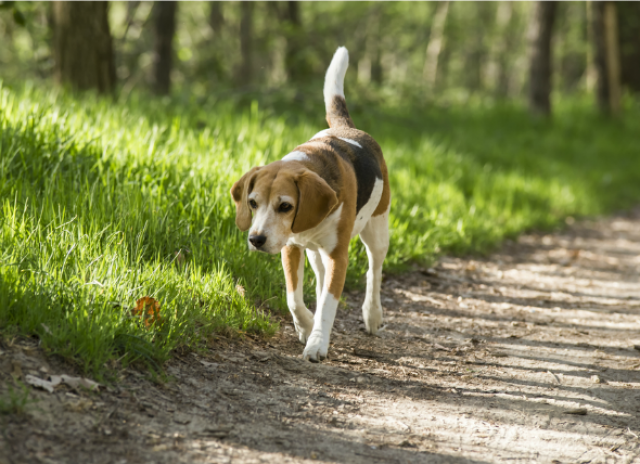 Source: petmd.com
Most dogs present with the sudden onset of loss of balance disorientation head tilt and irregular jerking eye movements called nystagmus. Drunken gait Abnormal posture eg. Vestibular syndrome is a common neurological finding in dogs. Vestibular syndrome is caused by abnormal ear or brainstem function which can result from. Dogs suffering from this condition may have a head tilt and feel dizzy.
 Source: firstvet.com
You need to be sure that your dog does have idiopathic vestibular disease or old dog vestibular disease. Because of the location of the problem you may also see changes in your pups head and neck movements. The final type of ataxia is caused by a problem in your dogs inner ear or brainstem. The vestibular system fulfills the function of orienting dogs in terms of space and gravity. Dogs suffering from this condition may have a head tilt and feel dizzy.
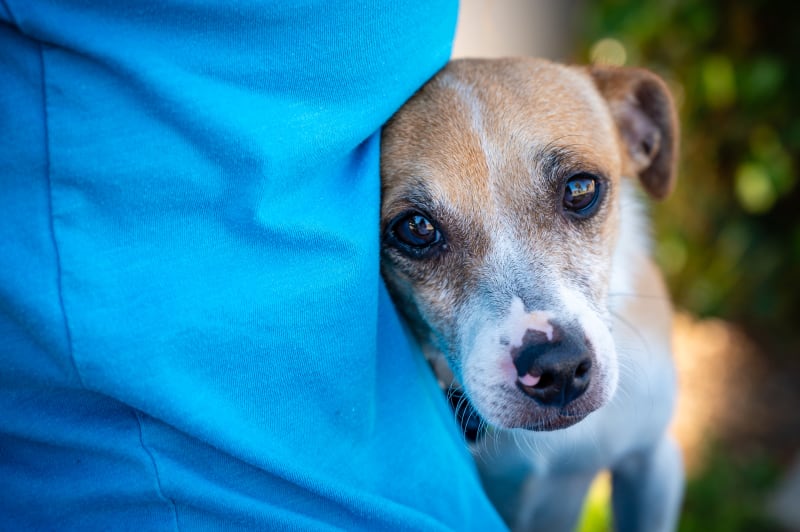 Source: memphisveterinaryspecialists.com
Vestibular ataxia Vestibular circling Nystagmus Two types of involuntary rhythmic eye movement 1. Loss of Balance Unbalanced Gait in Dogs Ataxia Vestibular Disease in Dogs Ataxia is a condition relating to a sensory dysfunction that produces loss of coordination of the limbs head andor trunk. Symptoms Loss of balance leaning to one side and falling over Head tilt Flickering eye movements nystagmus Vomiting Standing with their legs wide apart Walking in circles Collapsing struggling to stand. Most dogs present with the sudden onset of loss of balance disorientation head tilt and irregular jerking eye movements called nystagmus. Sensory vestibular and cerebellar.
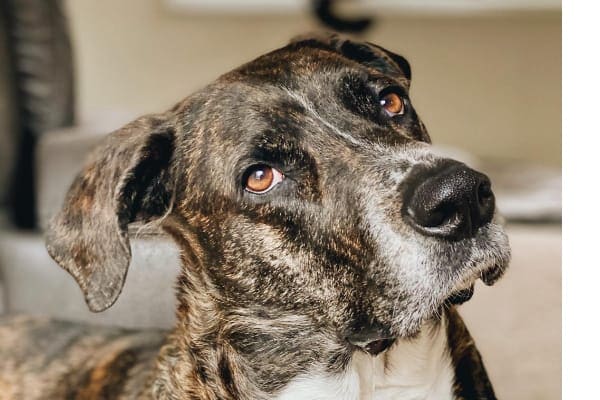 Source: toegrips.com
There are a number of other conditions that can cause very similar symptoms. To the untrained eye the symptoms may mimic serious life threatening conditions such as stroke or a brain tumor. There are three clinical types of. Damage to the vestibular system can result in some but not necessarily all of the following clinical signs. When this system is affected we begin to see our pet somewhat disoriented and it is very likely that it is suffering from Ataxia.
 Source: petmd.com
To the untrained eye the symptoms may mimic serious life threatening conditions such as stroke or a brain tumor. Sensory ataxia also known as proprioceptive ataxia results from progressive compression of the spinal cord whereas vestibular ataxia is usually caused by damage to the vestibulocochlear nerve. It is related to a pathologic process affecting either the inner ear andor vestibulocochlear nerve peripherally or the medulla oblongata vestibular nuclei brain stem thalamus and cerebellum flocculonodular lobe fastigial nuclei centrally 1 2Clinically it is characterized by signs such. Vestibular ataxia Vestibular circling Nystagmus Two types of involuntary rhythmic eye movement 1. Typical symptoms of sensory ataxia include a loss of balance stumbling swaying dragging the limbs between steps or falling over.
This site is an open community for users to submit their favorite wallpapers on the internet, all images or pictures in this website are for personal wallpaper use only, it is stricly prohibited to use this wallpaper for commercial purposes, if you are the author and find this image is shared without your permission, please kindly raise a DMCA report to Us.
If you find this site beneficial, please support us by sharing this posts to your favorite social media accounts like Facebook, Instagram and so on or you can also bookmark this blog page with the title vestibular ataxia in dogs by using Ctrl + D for devices a laptop with a Windows operating system or Command + D for laptops with an Apple operating system. If you use a smartphone, you can also use the drawer menu of the browser you are using. Whether it’s a Windows, Mac, iOS or Android operating system, you will still be able to bookmark this website.


