Your Lumbosacral disease in dogs images are available in this site. Lumbosacral disease in dogs are a topic that is being searched for and liked by netizens now. You can Get the Lumbosacral disease in dogs files here. Find and Download all royalty-free images.
If you’re looking for lumbosacral disease in dogs images information related to the lumbosacral disease in dogs keyword, you have visit the right site. Our website always gives you hints for viewing the maximum quality video and picture content, please kindly hunt and find more informative video content and images that match your interests.
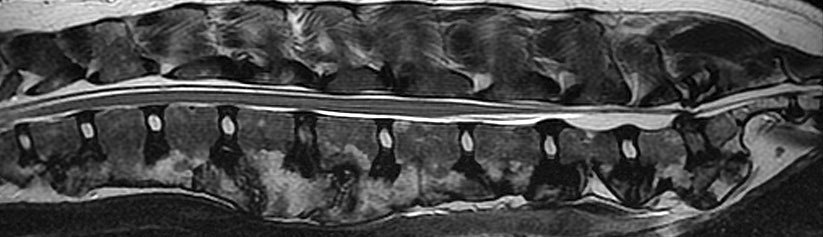
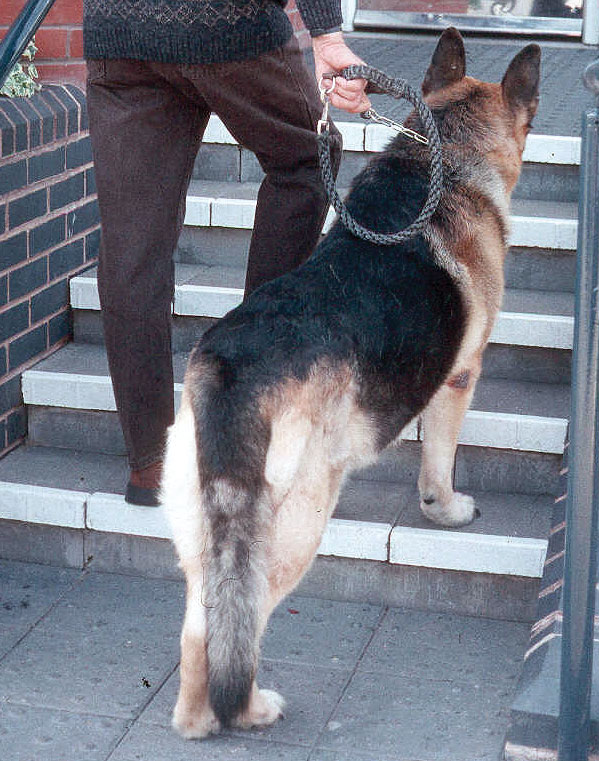
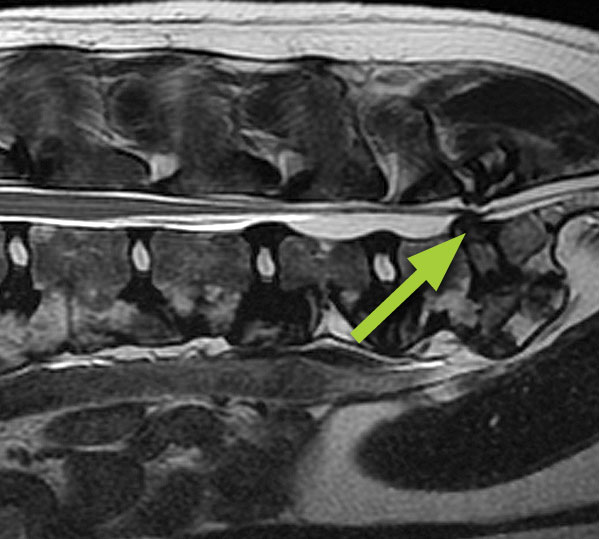
Lumbosacral Disease In Dogs. Thirty-eight dogs with Hansen type II lumbosacral disc protrusion were treated with epidural infiltration of methylprednisolone acetate between the seventh lumbar vertebra and the sacrum. Morphometric studies suggest that multilevel congenital or developmental stenosis of the lumbosacral canal may contribute to acquired lumbosacral stenosis in large-breed dogs. Cauda equina syndrome or lumbosacral. An MRI scan is necessary to diagnose the condition.
 Treatment Of Lumbosacral Disease Clinician S Brief From cliniciansbrief.com
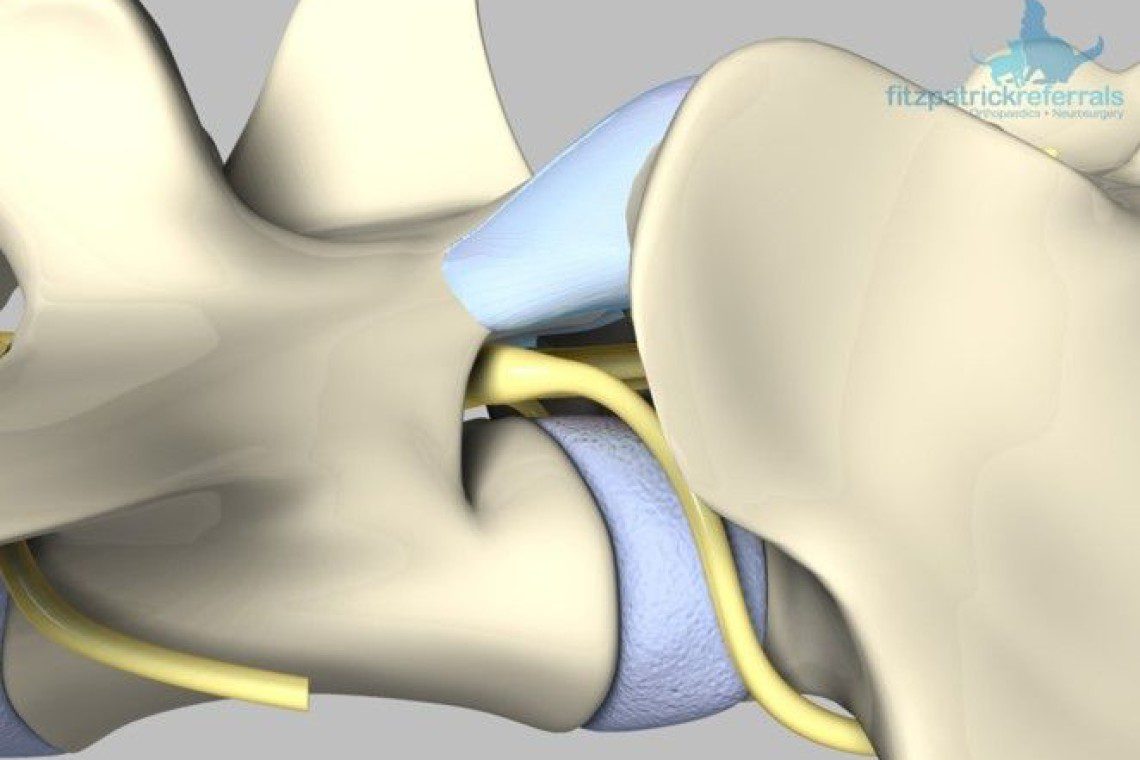
If this condition is recognized early treatment may help alleviate significant morbidity. Canine degenerative lumbosacral stenosis DLSS is a syndrome of low back pain with or without neurologic dysfunction associated with compression of the cauda equina. It may also be referred to as cauda equina syndrome by your veterinarian. Lumbosacral disease is a condition that adversely impacts the nerves that are connected to a dogs spinal cord resulting in disease of the L7-S1 junction. Morphometric studies suggest that multilevel congenital or developmental stenosis of the lumbosacral canal may contribute to acquired lumbosacral stenosis in large-breed dogs. Lumbo-sacral disease is a term used to describe compression of the nerve roots and spinal cord as they pass through the lumbo-sacral portion of the lower spine which is the lower back near the hips in dogs.
Canine degenerative lumbosacral stenosis DLSS is a syndrome of low back pain with or without neurologic dysfunction associated with compression of the cauda equina.
This disease can be the result of a degenerative or congenital from birth narrowing of. Dogs have seven lumbar vertebrae extending from the pelvis to the rear of the ribs. Lumbosacral disease can occur as a congenital stenosis of this region or be acquired due to malarticulation malformation or IVD protrusion. Lumbosacral stenosis is a spinal condition of dogs and less commonly cats that resembles a slipped disc or sciatica in people. Osteoarthritis infection spinal tumour trauma Certain breeds are more likely than others to be affected by Lumbosacral Disease. Thirty-eight dogs with Hansen type II lumbosacral disc protrusion were treated with epidural infiltration of methylprednisolone acetate between the seventh lumbar vertebra and the sacrum.
 Source: ndsr.co.uk
The most common cause of lumbosacral disease is degenerative lumbosacral stenosis. Large breeds of dogs are more commonly affected with lumbosacral stenosis and German Shepherd Dogs and Border Collies appear to be particularly prone to the condition. Thirty-eight dogs with Hansen type II lumbosacral disc protrusion were treated with epidural infiltration of methylprednisolone acetate between the seventh lumbar vertebra and the sacrum. The most common cause of lumbosacral disease is degenerative lumbosacral stenosis. It may also be referred to as cauda equina syndrome by your veterinarian.
 Source: fitzpatrickreferrals.co.uk
There are a variety of causes of lumbo-sacral disease. It is an uncommon complaint in cats. There are a variety of causes of lumbo-sacral disease. The history and examination are an extremely important part of the diagnosis of lumbosacral disease. It may also be referred to as cauda equina syndrome by your veterinarian.
 Source: thedesertreview.com
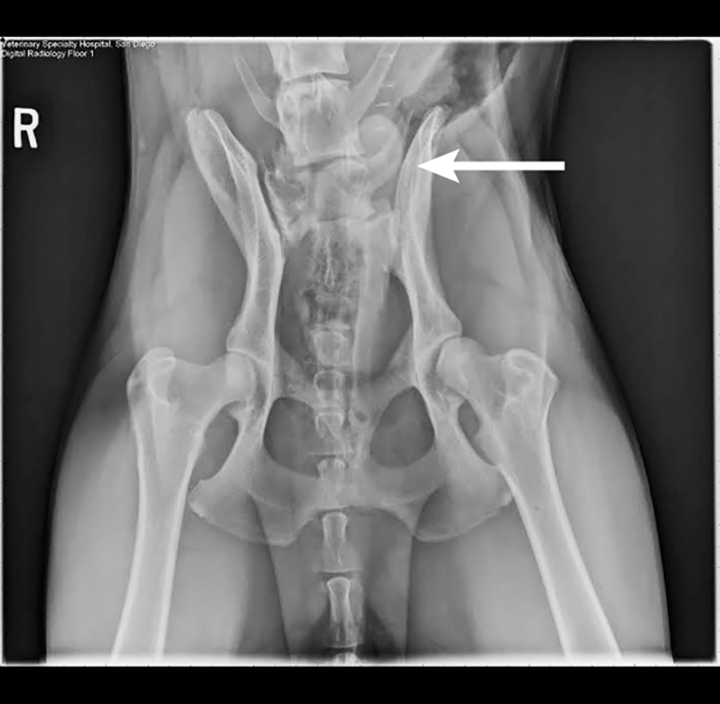
An MRI scan is necessary to diagnose the condition. The most common cause of lumbosacral disease is degenerative lumbosacral stenosis. The term sacral refers to the sacrum which is the part of the spine that joins the lumbar spine and the pelvis. Lumbosacral instability including dorsal dislocation of L7 has also been reported. Lumbosacral stenosis is a painful condition of dogs that affects the spinal cord and the nerves around the area where the spinal column meets the pelvis low down in the back where the lumbar spine meets the sacrum at the level of the pelvis.
 Source: ufaw.org.uk
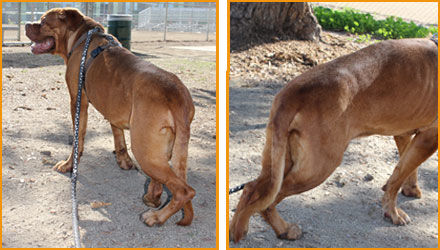
This can be episodic or chronic pain and may occur in the lower back in one or both hind legs or the tail area. Large breeds of dogs are more commonly affected with lumbosacral stenosis and German Shepherd Dogs and Border Collies appear to be particularly prone to the condition. Degenerative lumbosacral stenosis is a common cause of cauda equina syndrome and a relatively frequent neurologic disorder in older dogs. Most commonly occurring in medium- to large-breed dogs of middle to older age German shepherd and working dogs are predisposed. Lumbosacral Distraction Stabilisation Surgery- This is a fairly new surgery where your dogs surgeon will begin by stretching the lumbosacral joint by placing a custom made titanium bolt between the vertebrae and secure it in place with either pins and bone cement or a pedicle screw system similar to the systems used in human spinal surgery this will allow.
 Source: cliniciansbrief.com
Lumbosacral stenosis is a painful condition of dogs that affects the spinal cord and the nerves around the area where the spinal column meets the pelvis low down in the back where the lumbar spine meets the sacrum at the level of the pelvis. Cauda equina syndrome or lumbosacral syndrome is a disease that occurs at the lumbosacral junction in the lower back. This can be episodic or chronic pain and may occur in the lower back in one or both hind legs or the tail area. Lumbosacral stenosis is a painful condition of dogs that affects the spinal cord and the nerves around the area where the spinal column meets the pelvis low down in the back where the lumbar spine meets the sacrum at the level of the pelvis. Lumbosacral disease can occur as a congenital stenosis of this region or be acquired due to malarticulation malformation or IVD protrusion.
 Source: vetsmall.theclinics.com
The latter is most common in older dogs. This article discusses this group of diseases from a practical and surgical viewpoint. An MRI scan is necessary to diagnose the condition. Dogs are most likely to show symptoms as the disease first develops but they seem to adjust to the disease after an initial adjustment period. Morphometric studies suggest that multilevel congenital or developmental stenosis of the lumbosacral canal may contribute to acquired lumbosacral stenosis in large-breed dogs.
 Source: cliniciansbrief.com
Lumbosacral disease will result in changes to the intervertebral discs and the spacing found there. Canine Lumbrosacral Stenosis Also known as cauda equina syndrome canine lumbosacral stenosis results when the nerve roots or cauda equina are compressed in the dogs lower back. Morphometric studies suggest that multilevel congenital or developmental stenosis of the lumbosacral canal may contribute to acquired lumbosacral stenosis in large-breed dogs. It is an uncommon complaint in cats. It may also be referred to as cauda equina syndrome by your veterinarian.
 Source: semanticscholar.org
Back pain and lack of mobility in canines must always be evaluated by a veterinarian. Degenerative lumbosacral stenosis is a common cause of cauda equina syndrome and a relatively frequent neurologic disorder in older dogs. It may also be referred to as cauda equina syndrome by your veterinarian. Lumbosacral disease can occur as a congenital stenosis of this region or be acquired due to malarticulation malformation or IVD protrusion. Large breeds of dogs are more commonly affected with lumbosacral stenosis and German Shepherd Dogs and Border Collies appear to be particularly prone to the condition.
 Source: cliniciansbrief.com
Degenerative lumbosacral stenosis is a common cause of cauda equina syndrome and a relatively frequent neurologic disorder in older dogs. Osteoarthritis infection spinal tumour trauma Certain breeds are more likely than others to be affected by Lumbosacral Disease. Lumbosacral instability including dorsal dislocation of L7 has also been reported. Morphometric studies suggest that multilevel congenital or developmental stenosis of the lumbosacral canal may contribute to acquired lumbosacral stenosis in large-breed dogs. Back pain and lack of mobility in canines must always be evaluated by a veterinarian.
 Source: researchgate.net
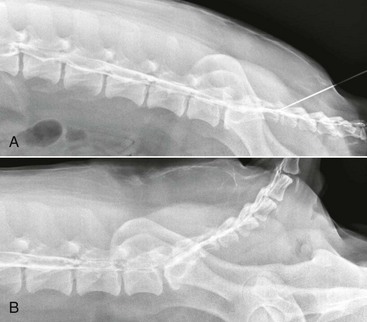
Dogs have seven lumbar vertebrae extending from the pelvis to the rear of the ribs. Lets look at the symptoms of lumbosacral spondylosis and what you and your veterinarian can do to help your dog feel better if he has this condition. The associated spinal compression usually affects the L7 sacral and caudal nerve roots as these traverse through the lumbosacral area LS. An MRI scan is necessary to diagnose the condition. This disease can be the result of a degenerative or congenital from birth narrowing of.
 Source: veteriankey.com
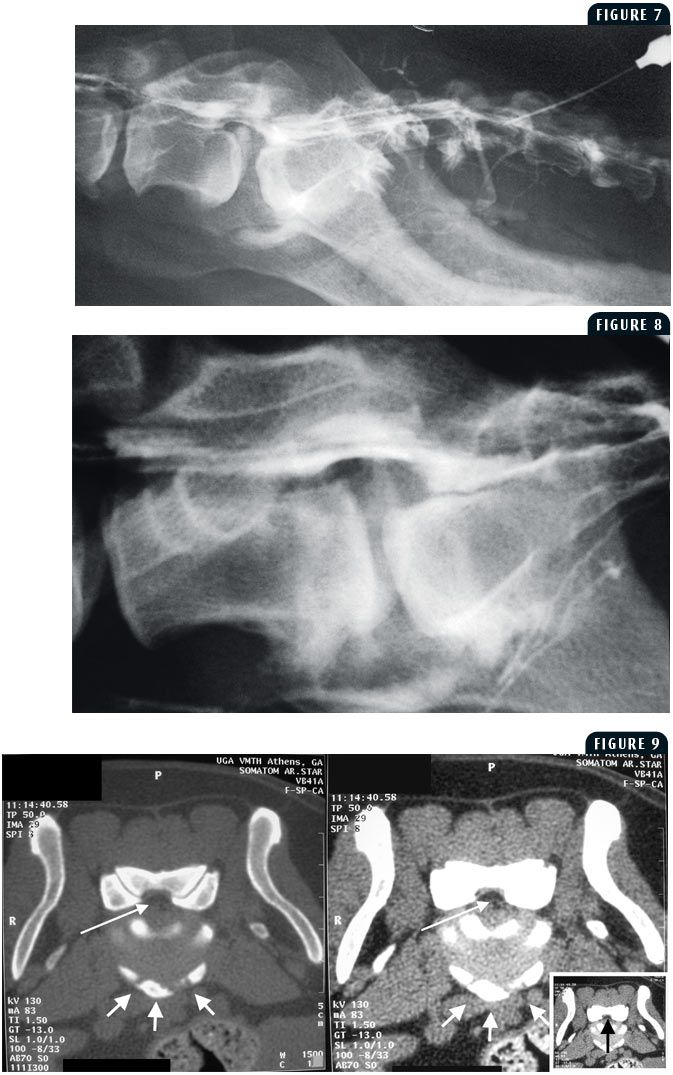
Osteoarthritis infection spinal tumour trauma Certain breeds are more likely than others to be affected by Lumbosacral Disease. Lets look at the symptoms of lumbosacral spondylosis and what you and your veterinarian can do to help your dog feel better if he has this condition. Lumbosacral stenosis is a painful condition of dogs that affects the spinal cord and the nerves around the area where the spinal column meets the pelvis low down in the back where the lumbar spine meets the sacrum at the level of the pelvis. Lumbar or posterior lumbar pain is common in dogs affected by degenerative lumbosacral stenosis Watt 1991. Dogs have seven lumbar vertebrae extending from the pelvis to the rear of the ribs.
 Source: dvm360.com
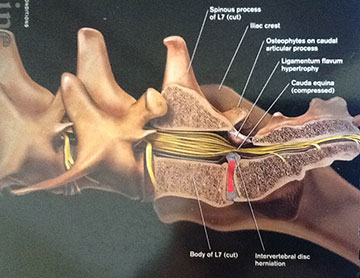
Lets look at the symptoms of lumbosacral spondylosis and what you and your veterinarian can do to help your dog feel better if he has this condition. The associated spinal compression usually affects the L7 sacral and caudal nerve roots as these traverse through the lumbosacral area LS. They also have vertebrae in the sacrum and tail. Lumbosacral stenosis is a spinal condition of dogs and less commonly cats that resembles a slipped disc or sciatica in people. Osteoarthritis infection spinal tumour trauma Certain breeds are more likely than others to be affected by Lumbosacral Disease.
 Source: caninefitness.com
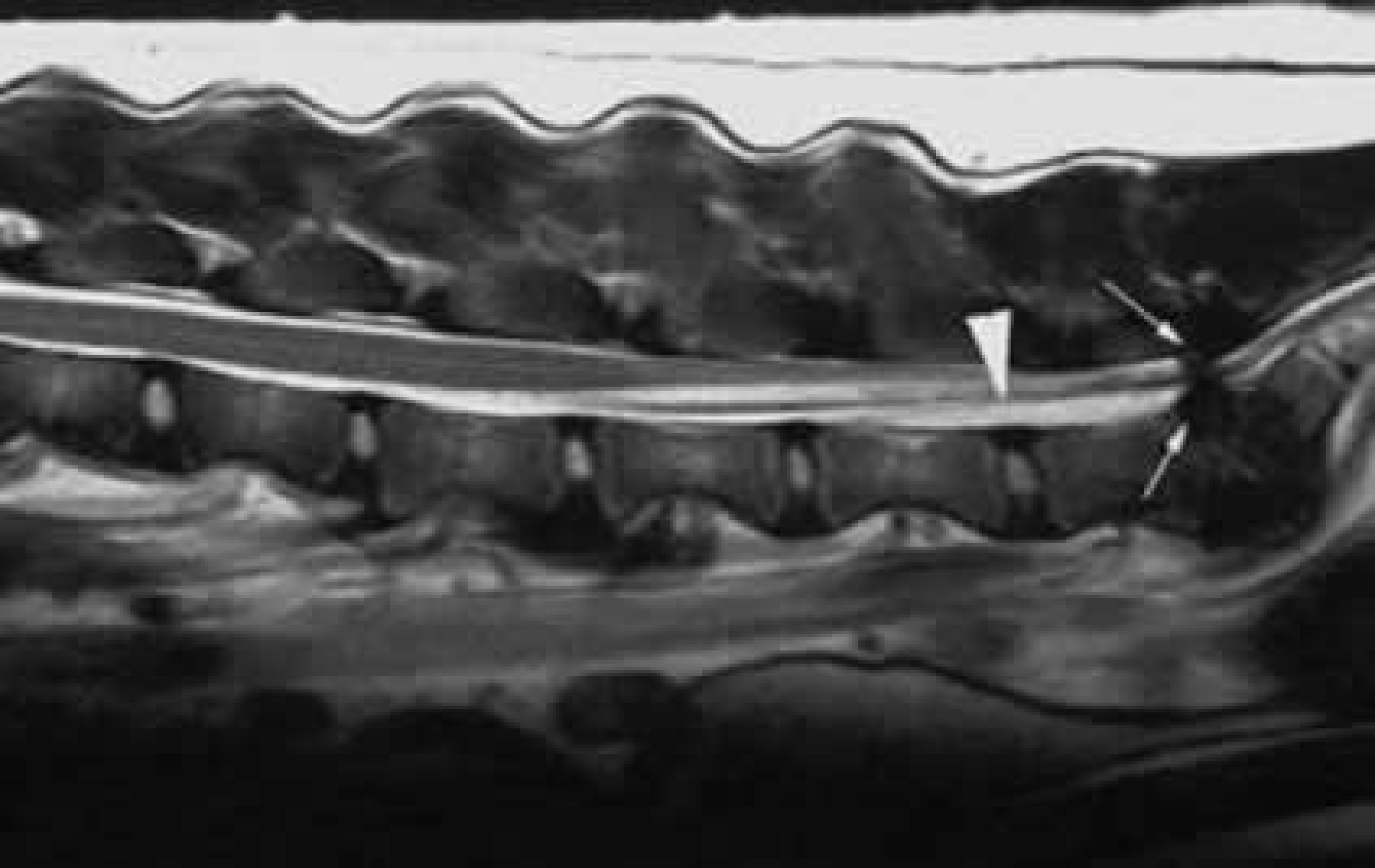
They also have vertebrae in the sacrum and tail. Canine degenerative lumbosacral stenosis DLSS is a syndrome of low back pain with or without neurologic dysfunction associated with compression of the cauda equina. If this condition is recognized early treatment may help alleviate significant morbidity. These are the bones in the lower part of the spinal column. Morphometric studies suggest that multilevel congenital or developmental stenosis of the lumbosacral canal may contribute to acquired lumbosacral stenosis in large-breed dogs.
 Source: canadawestvets.com
Thirty-eight dogs with Hansen type II lumbosacral disc protrusion were treated with epidural infiltration of methylprednisolone acetate between the seventh lumbar vertebra and the sacrum. Lumbosacral stenosis is a spinal condition of dogs and less commonly cats that resembles a slipped disc or sciatica in people. This can be episodic or chronic pain and may occur in the lower back in one or both hind legs or the tail area. An MRI scan is necessary to diagnose the condition. It may also be referred to as cauda equina syndrome by your veterinarian.
 Source: ndsr.co.uk
These are the bones in the lower part of the spinal column. Cauda equina syndrome or lumbosacral. Back pain and lack of mobility in canines must always be evaluated by a veterinarian. There are a variety of causes of lumbo-sacral disease. An MRI scan is necessary to diagnose the condition.
 Source: ndsr.co.uk
Diagnosing and Treating Lumbosacral Spondylosis Your veterinarian may use a variety of tests to diagnose lumbosacral spondylosis in your dog. The term sacral refers to the sacrum which is the part of the spine that joins the lumbar spine and the pelvis. Lumbosacral instability including dorsal dislocation of L7 has also been reported. Lumbosacral instability including dorsal dislocation of L7 has also been reported. The latter is most common in older dogs.
Source: cliniciansbrief.com
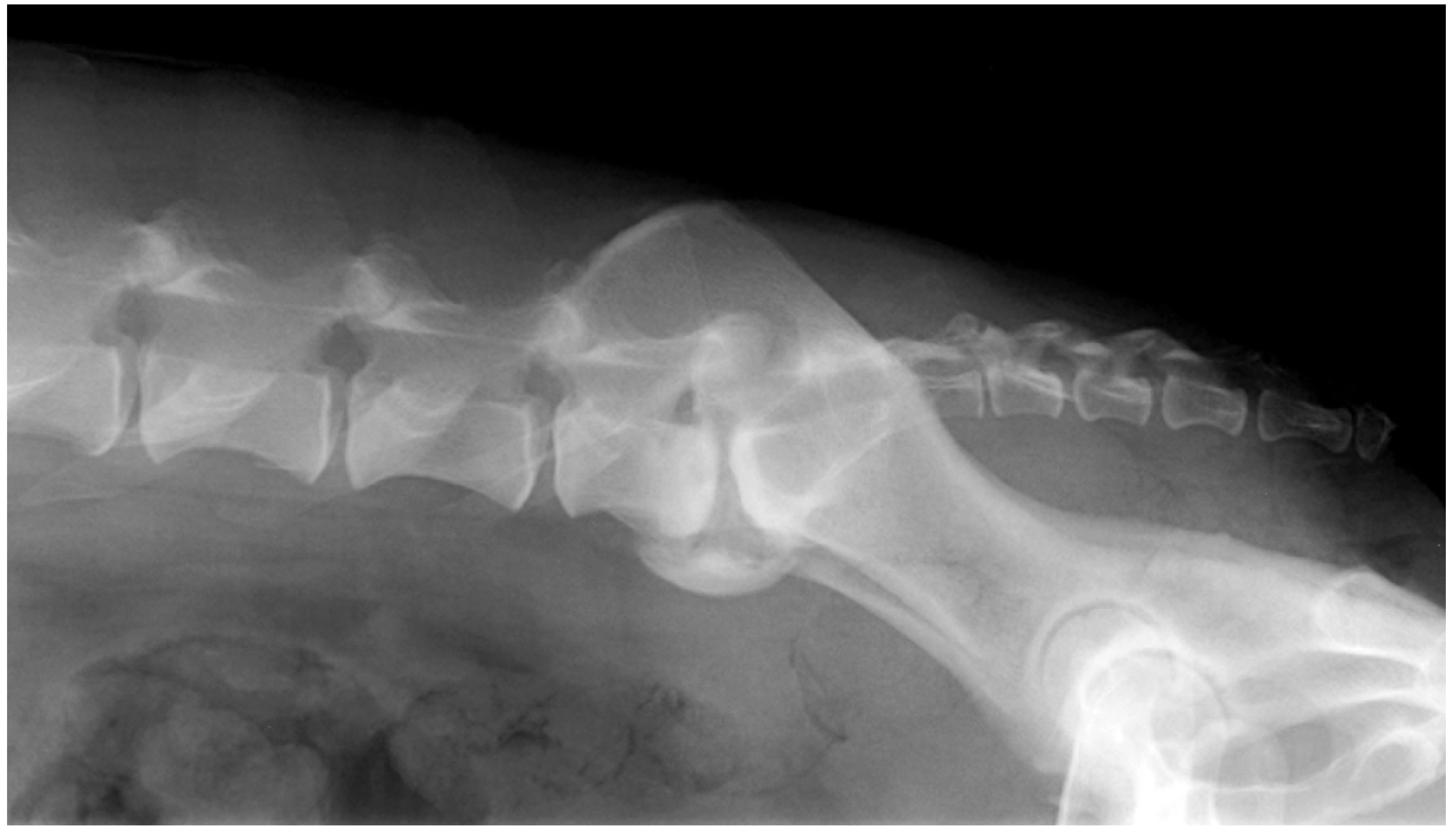
Lumbar or posterior lumbar pain is common in dogs affected by degenerative lumbosacral stenosis Watt 1991. There may also be. It may also be referred to as cauda equina syndrome by your veterinarian. In this multifaceted disease of dogs the hind limbs tail bladder and rectum may be separately or uniformly affected depending on the specific version of lumbosacral stenosis that afflicts them. The history and examination are an extremely important part of the diagnosis of lumbosacral disease.
 Source: mdpi.com
An MRI scan is necessary to diagnose the condition. The latter is most common in older dogs. An MRI scan is necessary to diagnose the condition. There are a variety of causes of lumbo-sacral disease. Cauda equina syndrome or lumbosacral.
This site is an open community for users to submit their favorite wallpapers on the internet, all images or pictures in this website are for personal wallpaper use only, it is stricly prohibited to use this wallpaper for commercial purposes, if you are the author and find this image is shared without your permission, please kindly raise a DMCA report to Us.
If you find this site beneficial, please support us by sharing this posts to your preference social media accounts like Facebook, Instagram and so on or you can also save this blog page with the title lumbosacral disease in dogs by using Ctrl + D for devices a laptop with a Windows operating system or Command + D for laptops with an Apple operating system. If you use a smartphone, you can also use the drawer menu of the browser you are using. Whether it’s a Windows, Mac, iOS or Android operating system, you will still be able to bookmark this website.


